Baseball Card Grading Cost: PSA vs SGC vs CGC (2026)
What it really costs to grade a baseball card in 2026 — where to read PSA, SGC, CGC and BGS fees at the source, the declared-value caps and bulk minimums that change which tier you're on, and the all-in cost after shipping, insurance and supplies. Plus how to know a submission will actually clear.
Shortcut: fees plus shipping often exceed the spread — the rookie roundup ranks slabs you can just buy at the market price instead.
Best Rookie Cards to Invest In (2026) →Work Out Your Own Number First
Look up your grader's current fee, then put it in here — these two answer the actual question.
The sticker fee is the smallest part of the bill. Put your card's raw price, graded price, the service fee and round-trip shipping in — it returns the all-in cost and whether the submission clears.
Run the grading ROI calculatorThe alternative to paying the fee is buying a card already slabbed. These are live eBay listings with real current prices — the honest comparison against your grading bill.
Already-slabbed cards selling right now
LIVEReal-time eBay auctions · bids shown are current · tap a card to bid on eBay
Browse every live “PSA 10 baseball rookie card” listing on eBay →
The Real Cost Isn’t the Sticker Fee
Ask “how much does it cost to grade a card?” and you’ll get a single number back — the grading fee. That number is the smallest part of the story. The fee is one line on a bill that also includes shipping both ways, insurance, submission supplies, and the opportunity cost of a card locked up for weeks. Get the full picture wrong and a submission that looked profitable turns into a loss.
This is the companion piece to our full grading walkthrough: that guide covers how grading works and which cards deserve it; this one is the cost and turnaround reference — where to read each service’s real current fee, what the fee leaves out, how long submissions take, and how to tell before you pay whether the math clears. If the numbers do not clear, skip the queue entirely: our best rookie cards to invest in roundup ranks graded cards you can simply buy at the market price.
Grading Cost by Service: Read the Fee at the Source
We don’t print a fee table on this page, on purpose. Graders revise tiers, add and retire budget levels, and run submission promotions several times a year. Any number published in an article is stale within months, and a stale grading fee is worse than no number at all — it’s the input to a decision about whether to spend money. Pull the current figure yourself, from the only source that is never out of date:
| Service | Current price page | Typical turnaround | Best known for |
|---|---|---|---|
| PSA | psacard.com/services | Several weeks to a few months at economy | Strongest resale on modern cards; the Set Registry |
| SGC | gosgc.com/pricing | Often the fastest of the group | Vintage; speed; the iconic black-core slab |
| CGC | cgccards.com/services | Weeks | Budget mainstream entry; growing acceptance |
| BGS | beckett.com/grading | Weeks to months | Subgrades; the Black Label / Pristine premium |
What is stable enough to plan around is the ordering, not the amounts: SGC and CGC compete at the budget end of the market, and PSA’s cheapest published tier sits well above both — while PSA slabs carry the strongest resale premium on modern cards. That trade-off is the whole decision. It means a card with a modest graded value usually belongs at SGC or CGC, and a card whose PSA 10 commands a real premium can justify PSA’s higher fee. Which side of that line your card falls on depends on numbers you look up today, not on a figure we typed last year.
Two more things the headline fee never tells you, and both are on the grader’s price page if you read past the top line:
- The declared-value cap. The cheapest tier only accepts cards below a set value. Go over it and you are automatically on a pricier tier with more insurance.
- The minimum submission count. The lowest advertised per-card rate is often a bulk rate that requires a batch — send one card and you pay a different number.
What “All-In” Actually Costs
The fee is where people stop counting and where the math goes wrong. A realistic per-card cost stacks up like this:
- Grading fee — the tier number you looked up, at the tier your declared value actually qualifies for.
- Shipping to the grader — a padded, insured package with tracking.
- Return shipping and insurance — scales with declared value; on valuable cards this is a real line item.
- Submission supplies — penny sleeves and semi-rigid Card Savers (graders require semi-rigids, not toploaders, because they’re easier to extract cards from).
On a single budget-tier card, those extras frequently add up to as much again as the fee itself — the shipping legs don’t get cheaper just because the grading did. That doubled figure, not the advertised tier price, is the number your card has to beat. Bulk submissions spread one shipping cost across many cards, which is exactly why serious submitters batch: it’s the only line on the bill you can meaningfully shrink. Put your own real numbers into the ROI calculator rather than trusting a worked example — the fee you’ll pay and the shipping you’ll pay are both specific to your card.
Turnaround: Speed Is a Cost, Too
Turnaround is priced like everything else — pay more, wait less:
- Economy tiers run several weeks to a few months and spike around major set releases when everyone submits at once.
- Express and premium tiers can come back in days but cost multiples of economy.
- SGC has historically turned economy submissions fastest of the mainstream group, which matters if you’re grading to sell into a hot market before the hype cools.
For a card you’re flipping, the weeks it spends in a slabbing queue are weeks the market can move against you. That time risk is a hidden cost the fee table never shows.
Which Service for Which Card
Cheapest to grade is rarely the whole decision. Match the service to the card:
- Modern rookies and stars you plan to sell → PSA. It costs the most now, but a PSA 10 on a modern card like a Shohei Ohtani rookie or a Paul Skenes Bowman Chrome auto typically sells well above competitors’ top grades, so the higher fee is often earned back at sale.
- Vintage, or anything where speed and cost matter → SGC. Friendlier fees, the fastest turnaround, and a black-core slab vintage buyers fully respect.
- Low-dollar modern in bulk → CGC. The budget mainstream entry, sensible when the graded premium is thin and PSA’s higher floor would eat it.
- A truly flawless modern card chasing a subgrade premium → BGS, for the Black Label / Pristine ceiling and its four subgrades.
Before You Pay: Does the Math Clear?
Every submission should pass one test — the graded card must sell for enough more than the raw card to cover your all-in cost with room to spare. The rule of thumb: graded price minus raw price should be at least 3x your all-in grading cost before you submit.
Don’t estimate this in your head. Our grading ROI calculator runs the exact math: plug in the raw value, the grade you realistically expect, the service fee, and it tells you whether the submission clears or loses money — including the PSA-9-instead-of-10 downside that sinks most optimistic bets. And because centering is the single most common reason a card misses the 10 it needed to be worth grading, measure it yourself first — a card the front border already disqualifies is a wasted fee no matter how cheap the tier.
If the numbers don’t clear, keep the card raw in a Ultra Pro - Premium Clear 100ct. Card Sleeves to Protect Sports… and enjoy it. Not every card is a submission.
Often Cheaper Than Grading: Buy the Slab
Here’s the move that skips the fee entirely: when you want a graded card, buy one that’s already slabbed and let the previous owner eat the grading cost and the grade lottery. A 2018 Topps Baseball #700 Shohei Ohtani Rookie Card Graded PSA… or a Topps 2009 Bowman Sterling Prospects Mike Trout Auto Bgs 10 Rc… costs exactly what the market says — no fees, no waiting, no gamble on whether your copy makes a 10. For prospect money, a PSA 10 Roman Anthony Bowman Draft rookie shows how modern slabs trade. Our best PSA-graded cards under $100 is a good place to start buying slabs on a budget.
The deepest, most current pool of slabs is eBay, where PSA and SGC singles change hands every day — the Shop these on eBay links below open live listings for exactly this kind of card. Even if you plan to grade your own, glance at the sold slabs first: the going rate for a PSA 10 of your card is the single best gauge of whether the grading fee will ever be earned back.
The Supplies a Submission Needs
If you do submit, budget for the prep kit — it’s the cheapest insurance in the hobby and a required part of the all-in cost:
- Penny sleeves to protect the surface before anything else touches the card.
- Semi-rigid Card Savers, the holder every major grader asks for (they extract cards from semi-rigids without risking corners — toploaders make that harder).
- Hard-plastic sleeves and toploaders for the cards that come back raw, and for everything you decide not to submit.
Prep matters as much as the fee: more cards are damaged in careless preparation than most collectors admit, and a scratched surface turns your whole grading fee into a loss.
The Bottom Line
At the economy tier, SGC and CGC compete at the budget end and PSA’s cheapest tier sits above them — look up today’s actual numbers before you ship, because the size of that gap moves. But fee is only the entry ticket: shipping both ways, insurance, and supplies routinely double the sticker number, and turnaround time is its own hidden cost. Pick the service by what the graded card sells for, not by the cheapest fee, and run every candidate through the ROI calculator first.
New to grading entirely? Start with the full grading walkthrough, then figure out how much your cards are worth raw before you decide anything is worth slabbing. And if you’re weighing grading purely as an investment play, our are baseball cards a good investment? guide has the honest math.
WHAT TO BUY AFTER THIS GUIDE
Best Rookie Cards to Invest In (2026)
Our top picks for baseball rookie cards worth investing in — the best rookie cards from the 2024 and 2025 classes, blue-chip graded rookies, and prospect boxes with the highest upside.
Supplies and Slabs Mentioned Above
Submission supplies and graded examples referenced in this guide — our verdict, current availability, and who each one suits.

Blue-chip modern card investing

Growth-stage rookie investing
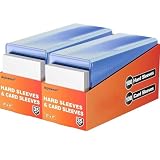
Protecting your collection

Every collector’s first supply purchase
Blue-chip modern card investing
Growth-stage rookie investing
Protecting your collection
Every collector’s first supply purchase
Shop these on eBay
Graded singles and slabs trade on eBay, not Amazon — these open live listings so you can check real sale prices before you decide to buy a slab or grade your own.
Recommended Products for This Guide

2018 Topps Baseball #700 Shohei Ohtani Rookie Card Graded PSA 10 Gem Mint
Amazon →

Roman Anthony 2024 Bowman Draft Baseball Rookie Card #BD19 Graded PSA 10 Cert #131595168
Amazon →
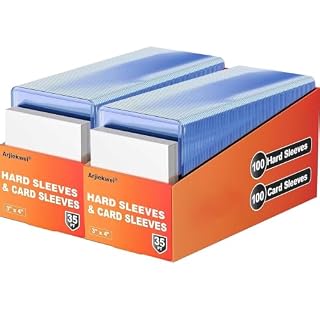
Card Sleeves Hard Plastic, Arjiekwei 3"X 4" Trading Card Holder, 35PT | Baseball Cards Protectors for Sports Football Game Cards (200 Hard Sleeves + 200 Soft Sleeves)
Amazon →
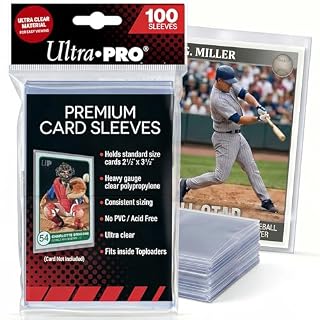
Ultra Pro Premium Clear Card Sleeves, 2.5" x 3.5", 100 Pack | Soft acid-free, non-PVC polypropylene sleeves protect standard Pokémon, MTG, baseball and football cards.
Amazon →